What Soap Actually Is
The chemistry up front, in plain language: oil plus lye becomes something that is neither. Understand the shape of it and the fear starts to dissolve.
A beginner’s guide to cold-process soap — the version where you just make a bar.
Soap looks complicated because the internet made it complicated. This is the book that takes the whole thing back to the beginning — what lye actually does, why oils matter, and how to make your first bar without burning yourself or wasting a batch.
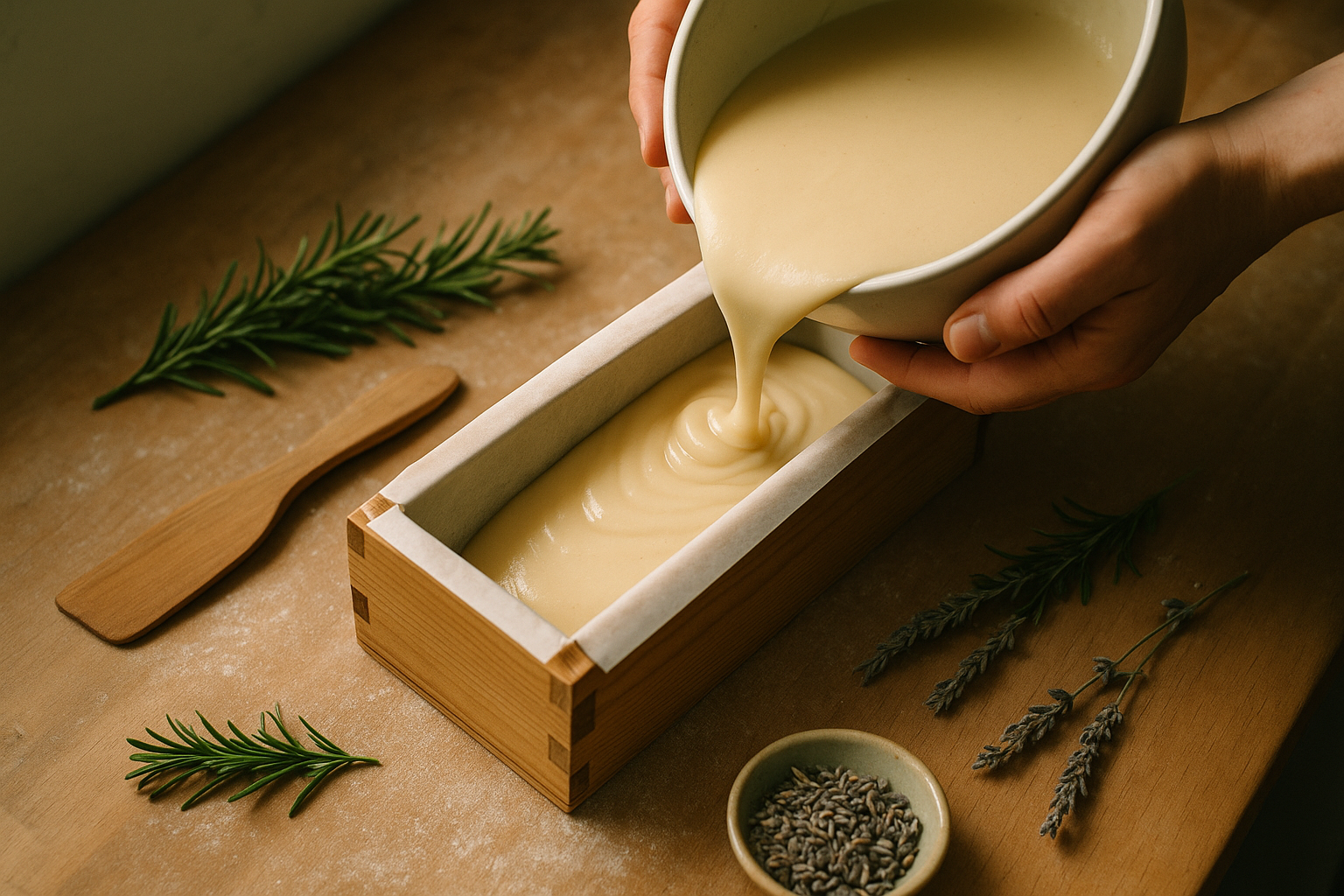
No. 01 · Cold-Process
Lavender & Oat
olive · coconut · castor
Why this book
Type “soap making” into any forum and within three replies someone has mentioned chemical burns, a hazmat suit, or their cousin’s friend who tried it once. None of it is particularly useful to someone who just wants to make a bar of lavender soap on a Sunday afternoon.
So Bar & Bubble starts where most books bury it: the chemistry. Not because you’ll love it, but because once you understand the shape of it, most of the fear goes away — and what’s left is a craft you can actually do at your own kitchen counter.
What you’ll walk away able to do
Three rules, the real contingencies, and the difference between healthy respect and the fear that keeps people from ever starting. No hazmat suit required.
A simple, working, slightly-imperfect bar by the end of chapter four — the one that proves to you that you can do this.
Why each oil behaves the way it does, so you can read a recipe instead of just following one, and start building your own.
How to make something smell intentional rather than like a candle store had an accident — and how to colour it without ruining the batch.
What went wrong, why, and what to do about it — so a bad batch becomes a lesson instead of the reason you quit.
Inside the book
Clear, practical, in order — the way you’d actually learn it standing next to someone who knows.
The chemistry up front, in plain language: oil plus lye becomes something that is neither. Understand the shape of it and the fear starts to dissolve.
An honest equipment list — what genuinely matters, and what the internet will try to sell you that you can skip.
Three non-negotiable rules, what to have ready before you touch the lye, and exactly what to do if something goes wrong.
Step by step to a working, finished bar. Simple, probably slightly imperfect, and entirely yours.
What each oil contributes and why, so recipes stop being magic spells and start making sense.
Essential oils, fragrance, and colour that look and smell the way you intended — not the way the batch decided.
A dozen recipes worth making, with the reasoning attached so you can adapt them instead of just repeating them.
The common failures, why they happen, and how to fix or prevent them next time.
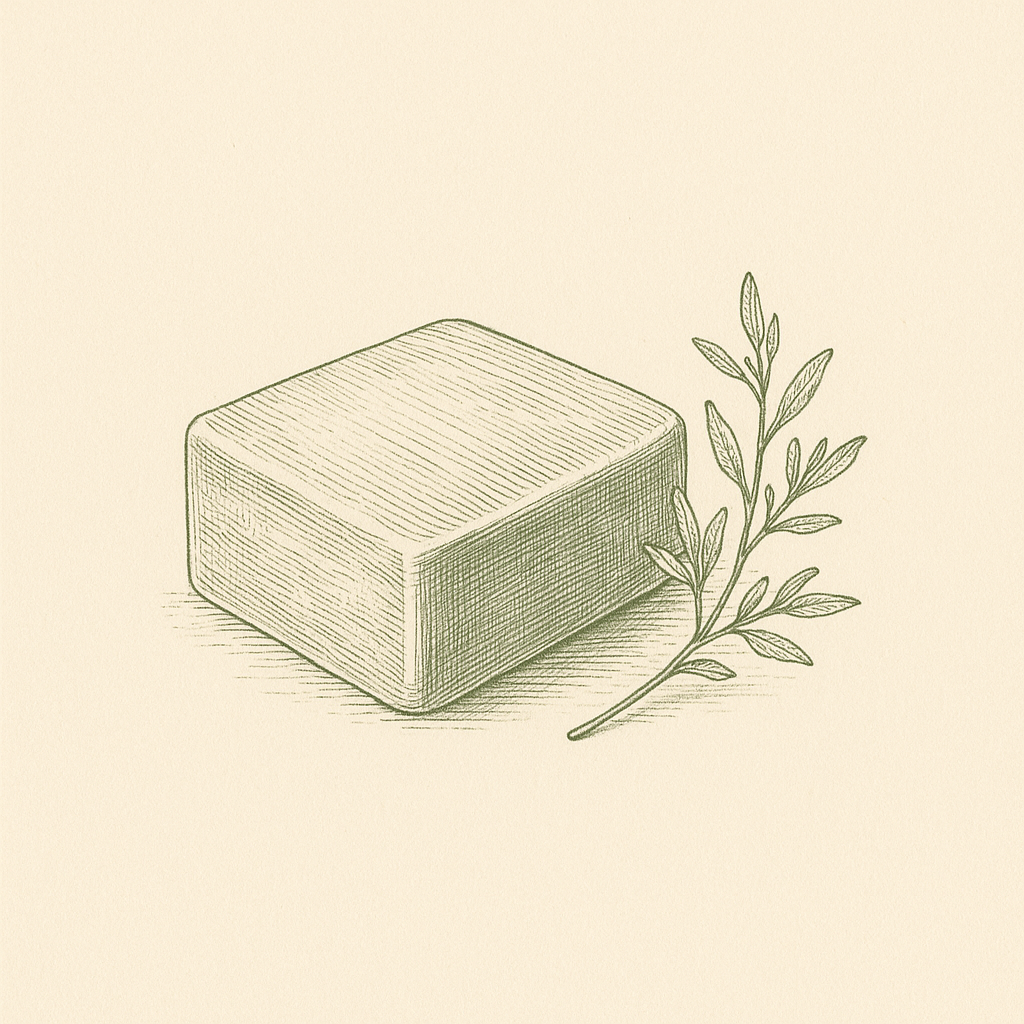
The oil is not the soap. The lye is not the soap. The soap is what they become together.
From a workshop student
“I’d read three books and watched a dozen videos and was still too scared to actually try. Cass’s chapter on lye was the first time it clicked that this was something I could just do. I made my first bar that weekend.”
Renata Voss
First-time soap maker
The book
One-time purchase. Yours to keep, refer back to, and dog-ear at the workbench.
Instant digital edition. Read it tonight, weigh your lye tomorrow.
Demo storefront — not a real purchase
Before you start
It deserves respect, not fear. Lye is caustic and can burn — but it’s sold at hardware stores, used to cure olives and make pretzels, and has been used in soap-making for most of recorded history by people with no protective gear. Follow three simple rules and the risk is roughly that of deep-frying.
No. The book includes an honest kit list that separates what genuinely matters from what the internet will try to upsell you. Most of what you need you may already own.
That’s exactly who it’s written for. The chemistry is explained in plain language, there’s one clear method taught all the way through, and you’ll have made a finished bar by the end of chapter four.
It might be slightly imperfect — that’s normal and expected. There’s a full troubleshooting chapter on what goes wrong, why, and how to fix it, so a bad batch becomes a lesson rather than the reason you stop.
The lye stage needs your full attention and a clear, ventilated space — not a moment for distractions. The book is clear about when to focus and how to set up so the process stays calm and safe.
A digital edition you get instantly after checkout — easy to pull up at the counter, or at two in the morning when the lye is already weighed.
Ready when you are
Read it tonight, gather your kit, and by Sunday afternoon you’ll have a working bar of soap you made yourself.
Demo storefront — not a real purchase